病みかわいい
Japanese Kawaii · Style Field Note
Yami Kawaii lets a soft shape keep a dark edge.
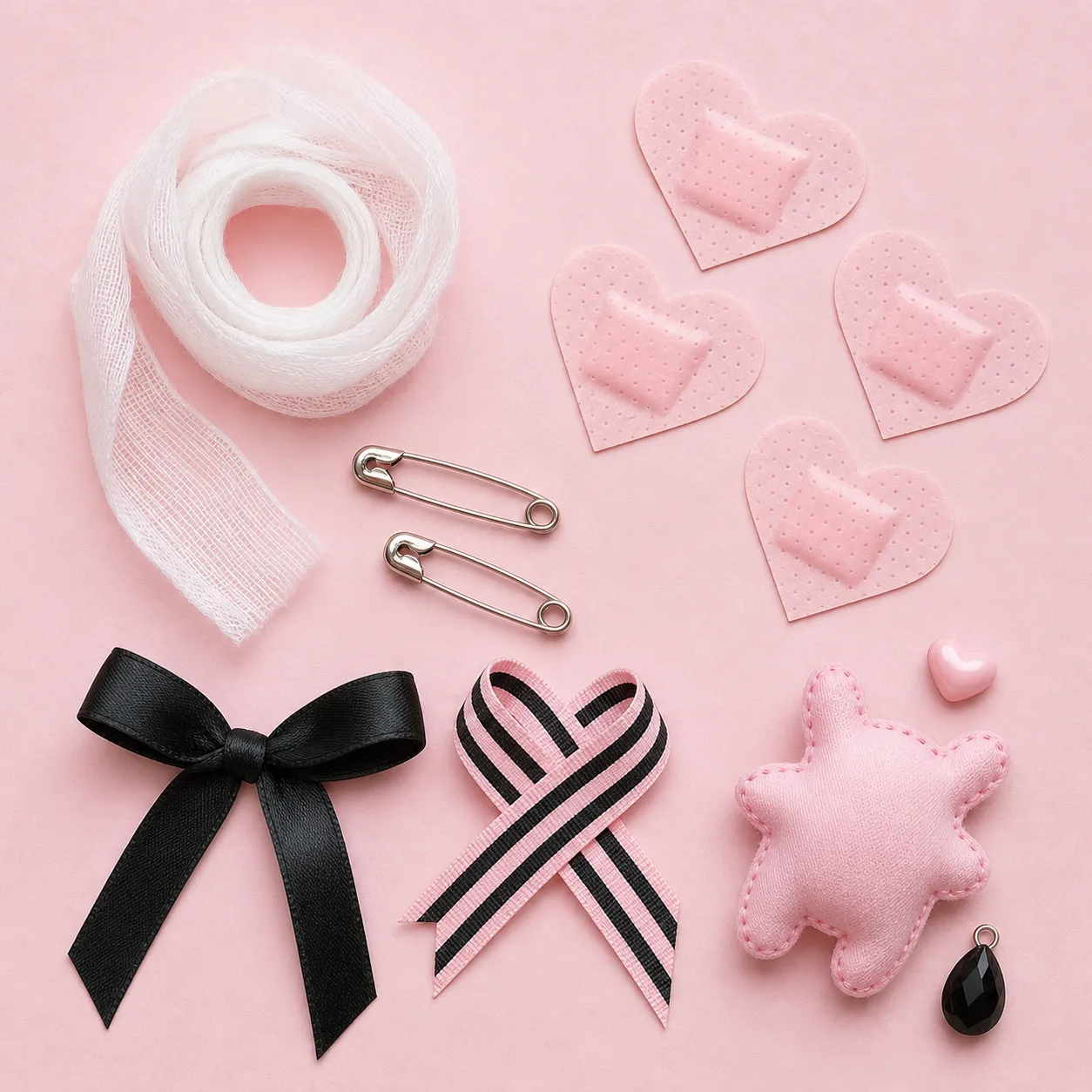
Start with the contrast: soft pink material, one black interruption, and the tools of being cared for kept in the same frame — without turning harm into decoration.
Kawaii Kinds · Style Field Note · checked 2026-07-23
Compass Check
Notice the contrast before you name the style.
This Field Note separates an editorial reading from facts that can change. The colour, shape, and texture are here; stock, shipping, and returns stay with the official source that publishes them.
01 · Understand
What is Yami Kawaii?
Yami kawaii, or 病みかわいい, joins 病み — being ill, or unwell — to かわいい. It is a style that puts soft, childlike forms beside dark signs, muted black, and faded pink. Knowing what the first half means matters before you use the word: it is a visual language, not a diagnosis and not a way to make harm decorative. Illustrator Bisuko Ezaki’s own essay describes the name in relation to yume kawaii. Look for the contrast first, then decide whether it belongs in what you are reading.
Bisuko Ezaki’s own essay on HARAJUKU POP — Reference sourceChecked
02 · Understand
A small world
Look at what the specimen above is actually made of. The upper half is first aid: a roll of gauze, four plasters, two safety pins. The lower half is what someone would choose to wear: a black satin bow, a striped ribbon, a hand-stitched mascot, one dark drop. Nothing in the frame is broken and nothing is being hidden. The care and the sweetness are simply laid out in the same tray, at the same scale, on the same pink — and the plasters have been cut into hearts. That arrangement is the style. It is an editorial scene, not a product image or a portrait of a person.
03 · Look
Look for
Begin with the places where a gentle detail meets a difficult one. The cues work together; none of them proves a label on its own. Keep the material and the surrounding mood in view before you decide what a single ribbon or black shape means.
- Colour. The ground is usually pink rather than grey or black, and the dark colours arrive in small amounts — one bow, one charm, one set of stripes. When black takes over the whole frame, you are often looking at something else.
- Shape. Things that belong to being cared for turn up in the shapes of things you would choose. A plaster cut into a heart is the clearest single example.
- Material. Seams are left where you can see them. The mascot is stitched around its whole edge, the gauze is loose rather than neat, and nothing has been finished to look manufactured.
- Proportion. The sweet material and the dark material get the same amount of room. Neither is turned into a background for the other, and that balance matters more than crowding every cue into one frame.
04 · The goods themselves
Four things Amilige currently shows.
Amilige is the one shop below that calls itself a yami kawaii brand in both its Japanese and its English pages. These four are the brand’s own product photographs, not ours. Each one links back to the page it came from.
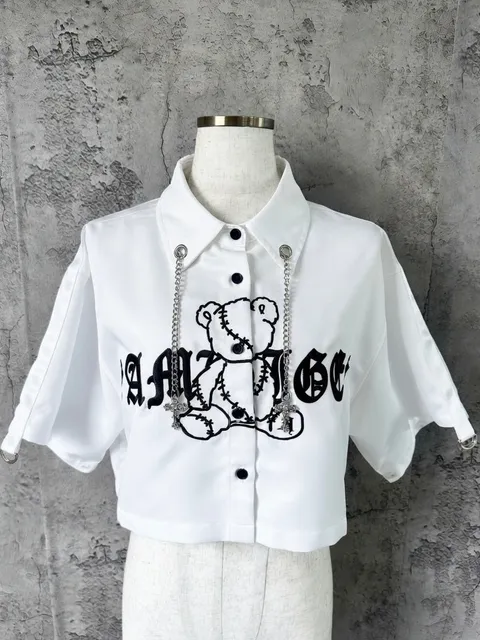
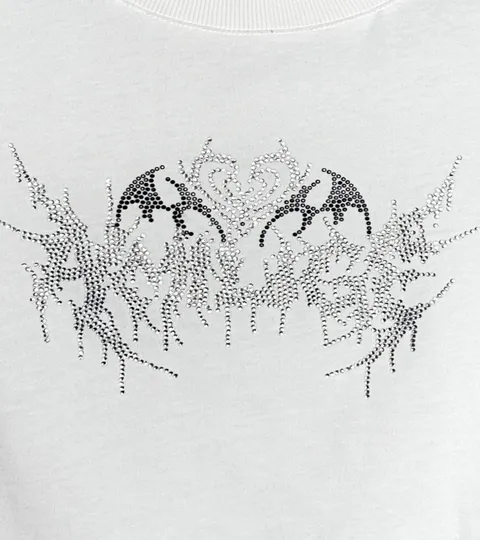
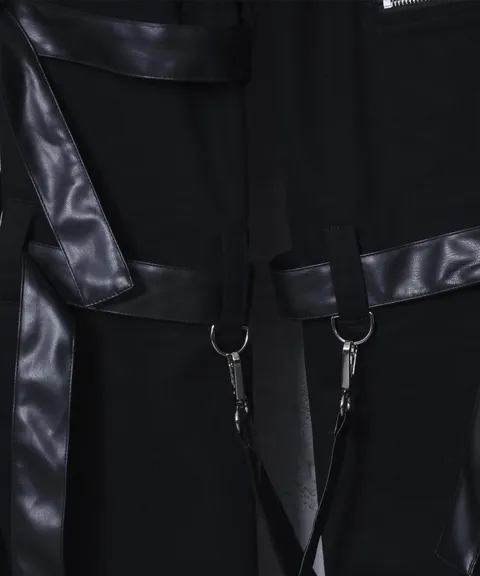
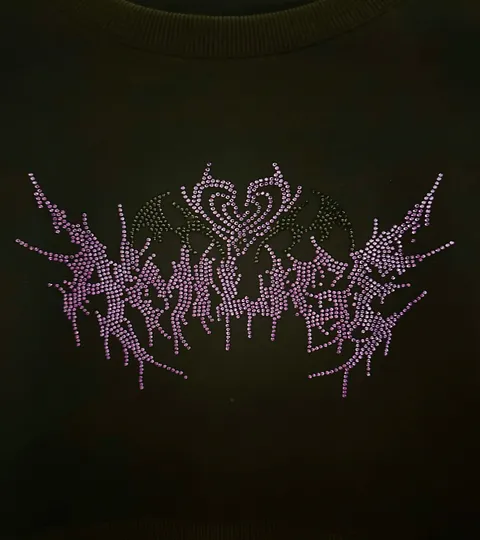
Photographs: Amilige (A AM STUDIO) official store · retrieved · copyright remains with the brand
05 · Check
Shops to check
A shop page is a place to verify its own current terms, not evidence that a particular item is available or suitable. The two official pages below were reachable when checked on 2026-07-23. Their stock, shipping, and returns can change, so the reader should check those conditions on the page itself.
- Amilige official online store — Official shop
Official shop — check current stock, shipping and returns.
Checked
- ACDC RAG official online store — Official shop
Official shop — check current stock, shipping and returns.
Checked
- LISTEN FLAVOR official online store — Official shop
Official shop — check current stock, shipping and returns.
Checked
06 · Read next
Return to the atlas.
The specimen above is one way to read care and sweetness held at the same scale. The atlas keeps retro game kawaii, yume kawaii, and kimo kawaii visible as different visual languages, without pretending that their full notes already exist. Start there when a nearby word catches your attention.
Shop Dossier: ACDC RAG, whose DARK range is cited above
Return to Kawaii Style Atlas